// Management · RimWorld Mod
Natural Disasters
 1 / 11
THE MAP IS PART OF THE FIGHT NOW You can prepare for raids.
THE MAP IS PART OF THE FIGHT NOW
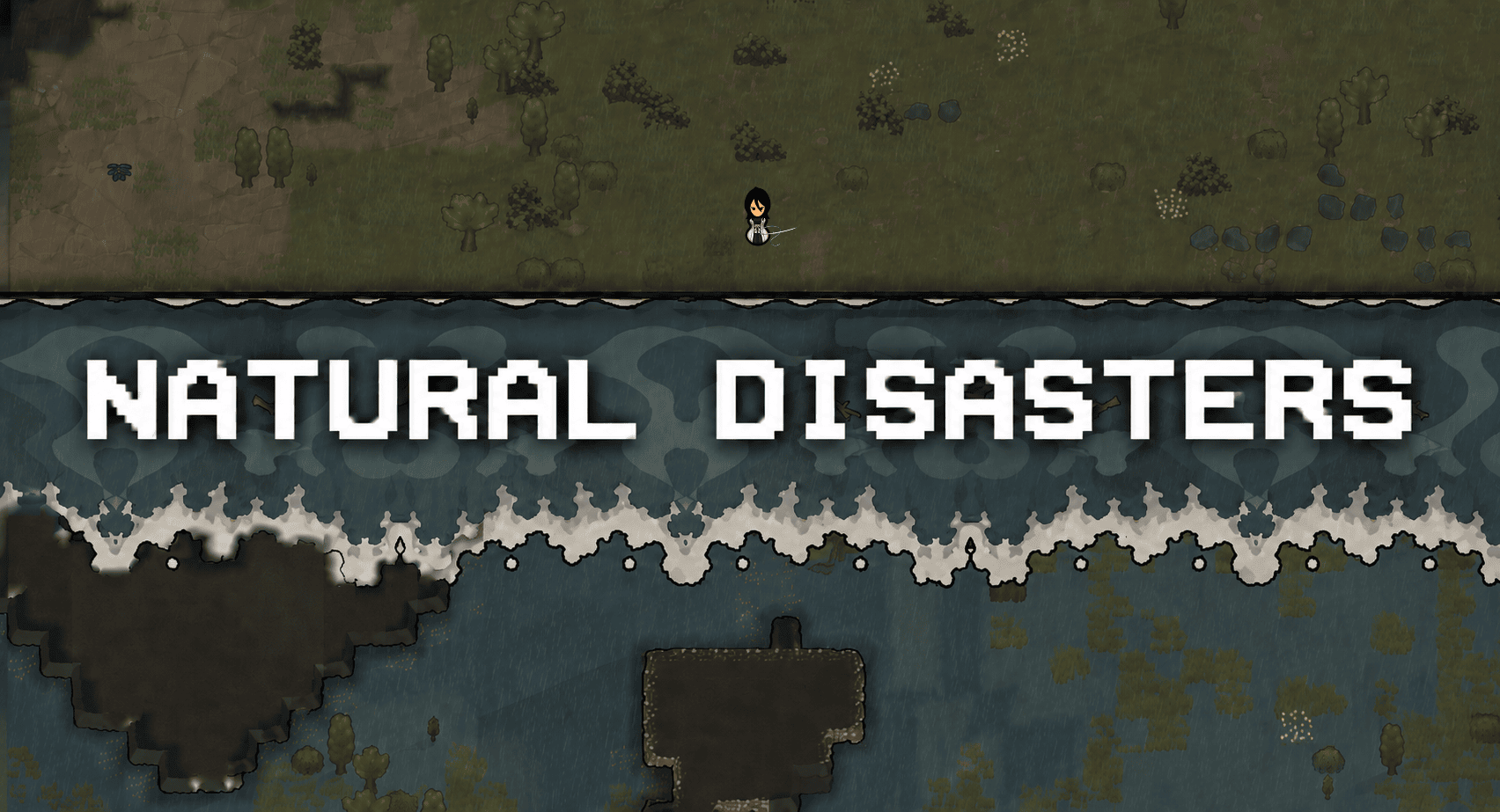
You can prepare for raids. You can stockpile for winter. But what happens when the river rises, the ground splits open, or a wall of water crosses the map? Natural Disasters adds eleven dangerous, map-changing disasters to RimWorld 1.6. Each one has warnings, an impact phase, and an aftermath your colony may have to live with. They can injure pawns, destroy structures, reshape terrain, and turn a safe settlement into a fight for survival. Enjoying the mod? Give it a thumbs up and favorite. It helps more RimWorld players find it. Questions, bug reports, or compatibility trouble? Join the AlpineStatic Discord.ELEVEN DISASTERS
- Earthquakes bring shaking, aftershocks, roof collapse, fires, structural failure, cracked ground, fault scarps, liquefaction, and catastrophic chasms.
- Regional floods spread through low ground with real water depth and current. Pawns can swim, tire, drown, and rescue one another while mud and erosion remain behind.
- Tsunamis drive one or two massive surges inland from the coast, battering pawns and buildings before the water reverses into a dangerous return flow.
- Hurricanes combine Category 1-5 winds, sustained rain, structural gust damage, electrical danger, and widespread flooding.
- Severe freezes sweep cold across exposed ground, freeze eligible shallow water, kill unprotected crops, suppress open fires, and thaw when the front passes.
- Tornadoes carve moving EF0-EF5 damage corridors through the map with a large dust funnel, flying debris, injuries, and structural destruction.
- Wildfires spread with wind and available fuel, throw embers ahead of the firefront, react to rain and firefighting, and leave burn scars behind.
- Landslides rush downhill in broad debris flows, crushing and burying anything caught in their path while leaving mud, rock, and head scarps.
- Avalanches release from high ground, gather into expanding walls of snow, bury pawns, damage structures, and leave packed-snow deposits.
- Volcanic eruptions open vents, spread hot ash and lethal lava, ignite fires, and leave permanent cooled basalt across the landscape.
- Sinkholes collapse the ground beneath pawns and structures, leaving permanent no-walk, no-build chasms.
THE DISASTERS BELONG TO THE MAP
These are not cosmetic incidents with a different name attached. Floodwater follows saved elevation, basins, drainage, barriers, and nearby water. Tsunamis enter from a real coast and push into low terrain behind the wave. Mountainous maps face greater earthquake danger. Landslides and avalanches commit to a downhill path instead of wandering randomly across the colony. An active disaster is saved as part of the colony. Reloading does not quietly reroll its direction, strength, or outcome.PAWNS HAVE TO SURVIVE IT
Floodwater slows pawns according to its depth. Swimming endurance responds to age, health, consciousness, movement, breathing, and a moddable swimming stat. A healthy young pawn may stay afloat longer, but injury, illness, poor breathing, and exhaustion can erase that advantage. Downed pawns can be rescued from floodwater. Landslides and avalanches can bury victims without teleporting them out of danger. Warnings and shelter behavior give the colony a chance to react before impact, but survival still depends on preparation and timing.BUILD FOR WHAT IS COMING
- Choose Mild, Standard, Survival, Catastrophic, or Custom for each save.
- Use forecasts, staged warnings, emergency sirens, shelter hubs, and automatic response rules to move pawns and animals before impact.
- Build reinforced walls and doors, levees, sensor arrays, and unpowered storm drains.
- Research disaster-grade composite for ordinary stuffable buildings that need serious resistance.
- Place storm drains to steadily lower nearby floodwater. Multiple drains can work together, but a catastrophic surge can still overwhelm them.
- Shovel snow away from blocked exterior doors, wait for warmth to melt it, or hire a radar-dispatched service to clear the colony.
MAKE IT YOUR STORY
Every save keeps its own disaster profile. You can lower the danger, turn it into a brutal survival test, or tune individual disaster chances and strength through Custom settings. Changes apply to future events without rewriting a disaster already in progress. Some disasters recede. Some leave scars. Volcanic rock and sinkhole chasms can permanently change where and how your colony builds.COMPATIBILITY AND SUPPORT
Requires: RimWorld 1.6 and Core only. No DLC or framework mod is required. Optional integration: If Red Alert is active, incoming disaster warnings can drive its siren, HUD beacon, and colony warning lights. Compatibility note: Natural Disasters is built and tested to work with my other mods. I cannot test every mod on the Workshop, so I do not have a complete conflict list yet. Mods that heavily replace weather, terrain, map generation, rescue jobs, or incident behavior are the most likely to overlap with it. If you find a conflict, please bring your mod list, a short description of what happened, and your Player.log to the Discord. That gives me something concrete to trace and fix. Need help or found a problem? Join the AlpineStatic Discord and tell us what happened. If Natural Disasters earns a place in your mod list, leave a thumbs up and favorite. Every rating helps the mod reach another colony.YOU CAN SURVIVE. THE COLONY MAY NEVER LOOK THE SAME.
Similar Mods
management
QualityBuilder
With QualityBuilder all buildings that have quality (beds, tables etc) will only be build by the best builder to ensure the best outgoing quality.


management
EdB Prepare Carefully
Customize your RimWorld colonists, choose your gear and prepare carefully for your crash landing!
More Management Mods
management
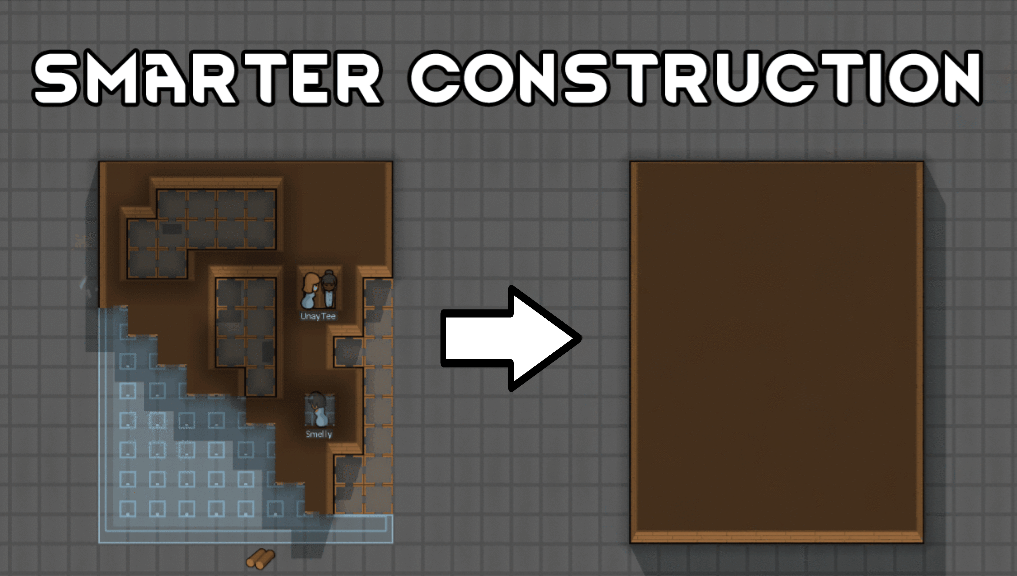
Smarter Construction
Stop your pawns from constantly building themselves into a wall or blocking something that hasn't been built yet.


management
Wall Light
As of update 1.5, Rimworld now contains wall lamps that serve the same purpose that this mod served for many, many years. So, what does this do now? Adds wall sun lamps. Lets you configure the vanilla wall lamps (and the added wall sun lamps) like you could with the old wall ligh